
The Central Illinois Memorial Kidney Fund (CIMKF) was formed in 1976 by Dr. Robert Pflederer to serve chronic kidney disease patients receiving dialysis. Funds raised are distributed to chronic kidney disease patients when all other avenues of assistance have been exhausted. The patients work through social workers to request assistance to cover costs such as transportation, groceries, or medication. Where no other help is available, CIMKF also helps provide emergency living expenses.
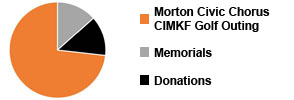
Morton Civic Chorus's production of ENCORE 2024 is coming!!! Come see the show at Morton's Bertha Frank Performing Arts auditorium at Morton Community High School. Show Dates: May 23-25 at 7:30 and May 26 at 2:00 pm. Their director, Denise Adams, and the singers are excited to be back together staging another wild performance, and they are looking for a great audience... YOU! You will not be disappointed. So, mark your calendars today. Consider making a donation to CIMKF, placing an ad in the program booklet, and purchasing tickets for a relaxing night of music. All this is accessible from the Donations and Registrations button.
We had a very successful fund raiser last September at our 33nd annual Golf Outing for CIMKF! Thanks to all who participated or made a generous donation.
The 34th annual golf outing to benefit CIMKF will be held on Tuesday, September 17, 2024 at the Pine Lakes Golf Course in Washington, Illinois. Players will be treated to a great course, an outstanding clubhouse, food, raffles, hole contests and, we hope, perfect weather for golf. Most importantly, participation in this event helps us to meet patient needs in the Central Illinois area for several months.
We will be playing a four-person scramble format with a shotgun start at noon, check in by 11:30. The entry fee includes green fees, golf cart, a light lunch, and dinner following golf. Men, Women, Mixed foursomes welcome! Make plans now to enjoy this fun-filled day.
Registration Form: Coming soon!
New:CIMKF T-shirts and Sweatshirts are available for purchase through the end of April. This is not a fundraiser, but by wearing one, you provide awareness to the charity which gives you the opportunity to spread the word about us! Orders will be shipped to your home. To place a direct order, click here!
CIMKF Tree of Life, Click here: